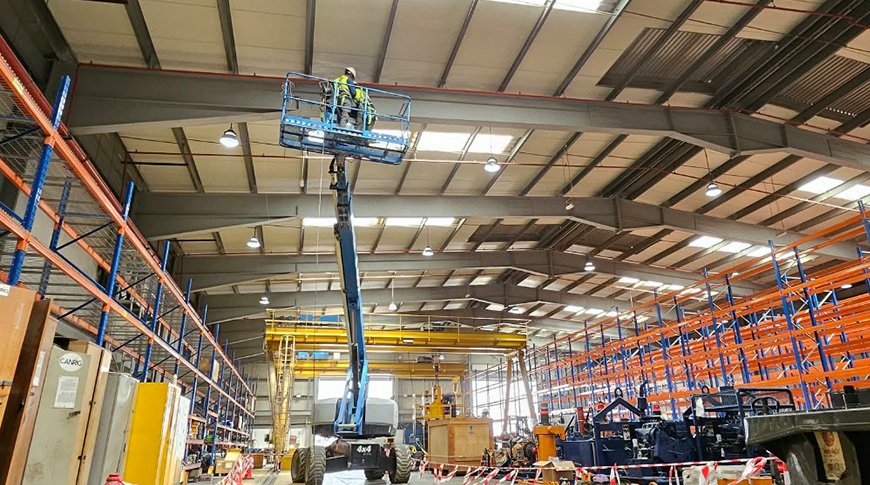
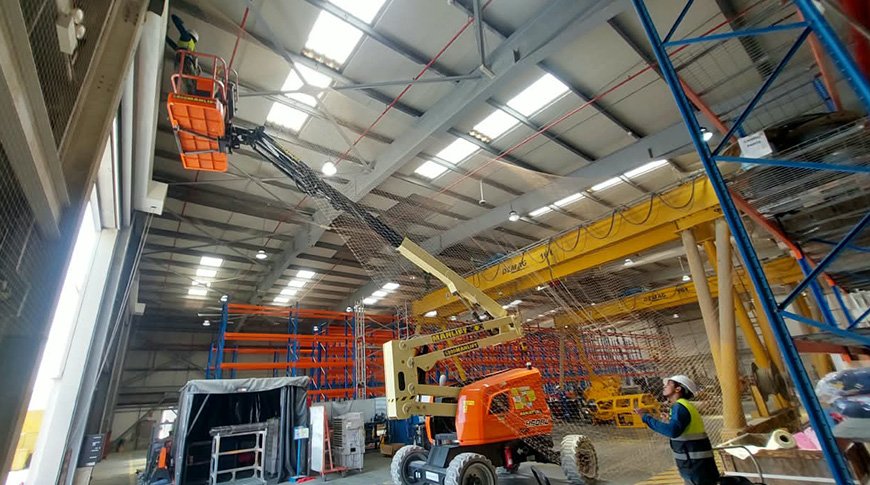
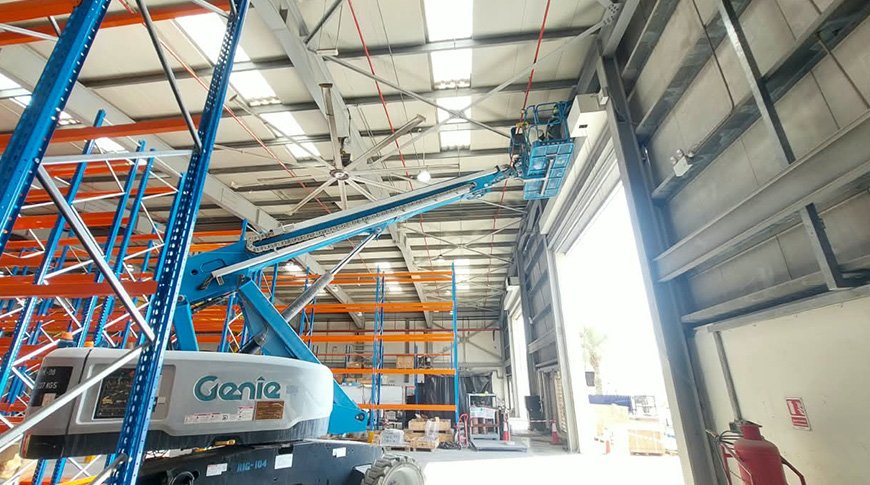
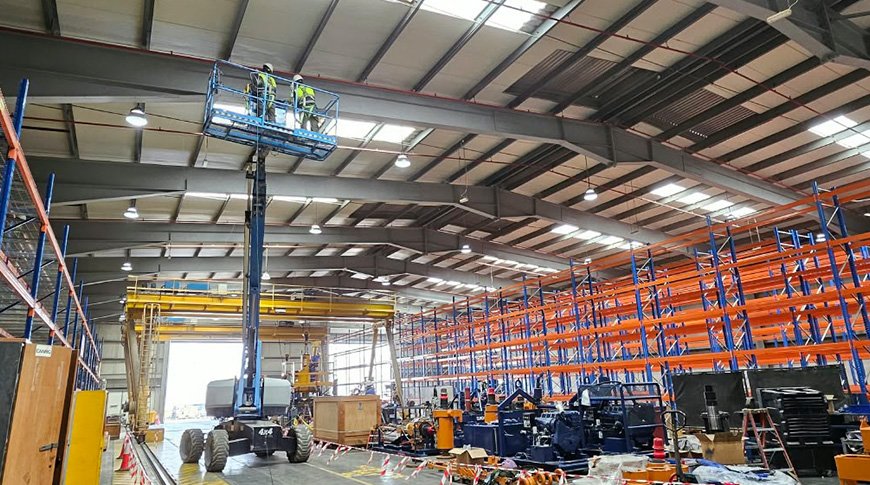
The Nabors Bird Netting Project UAE demonstrates AL WAHA Bird Control’s experience in delivering professional bird exclusion systems for large and complex industrial environments.
AL WAHA Bird Control completed a large-scale bird netting installation at a Nabors industrial warehouse facility in the UAE, providing a physical barrier designed to prevent pigeons and nuisance birds from accessing high-level structural areas within the building.
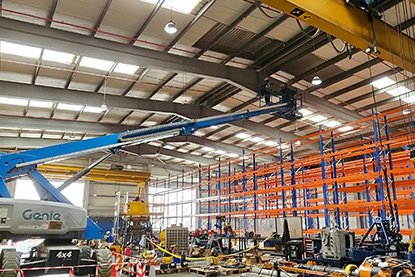
Industrial warehouses can present particularly challenging bird-control conditions. High ceilings, steel roof structures, beams, storage areas and difficult-to-access overhead spaces can provide birds with sheltered locations for roosting and nesting.
For the Nabors project, our team installed professional bird netting across the required overhead areas of the warehouse, working around the facility’s existing structural elements, storage systems and industrial infrastructure.
The completed system provides a discreet and humane method of restricting bird access while allowing the protected areas below to continue serving their intended operational purpose.
Large industrial warehouses often contain numerous potential locations where pigeons and other nuisance birds can settle.
The Nabors facility presented an environment with extensive high-level steel structures and overhead areas requiring a bird-control solution capable of protecting large spaces without interfering unnecessarily with the infrastructure below.
Potential bird activity within industrial buildings can lead to recurring issues such as:
- Bird droppings accumulating on structures, equipment and surfaces
- Pigeons roosting on high-level beams
- Nesting within sheltered structural areas
- Feathers and nesting materials entering operational areas
- Increased cleaning and maintenance requirements
- Repeated contamination of previously cleaned locations
- Difficulty accessing high-level bird roosting areas
Simply removing birds or repeatedly cleaning affected areas does not necessarily prevent them from returning.
A physical exclusion system was therefore the appropriate approach for restricting access to the protected overhead areas.
Our Solution: Industrial Bird Netting
AL WAHA Bird Control installed a professional bird netting system across the designated high-level sections of the Nabors warehouse.
Bird netting works differently from visual or temporary deterrents. Rather than attempting to frighten birds away, properly installed netting creates a physical exclusion barrier between the birds and the areas they are attempting to access.
For a large industrial building, the netting system must be carefully planned around the existing structure.
The Nabors installation required consideration of:
High-Level Roof Structures
The system was positioned to restrict bird access to structural areas where pigeons could potentially roost or establish nesting locations.
Large Protection Areas
Industrial warehouses can require considerably larger netting spans than conventional residential or small commercial projects.
Existing Infrastructure
Netting must work with the building rather than interfere unnecessarily with its structural and operational components.
Secure Fixing Points
Correct positioning and tensioning are essential for creating a professional and durable bird exclusion system.
Future Accessibility
An industrial bird-control installation should take the facility’s practical access and maintenance requirements into consideration.
Professional Installation at Height
One of the most important aspects of the Nabors Bird Netting Project was the scale and height of the protected areas.
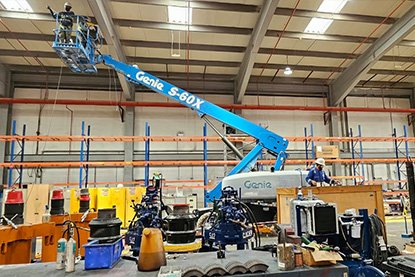
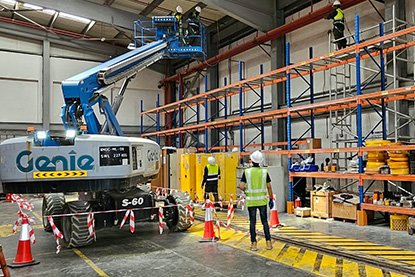
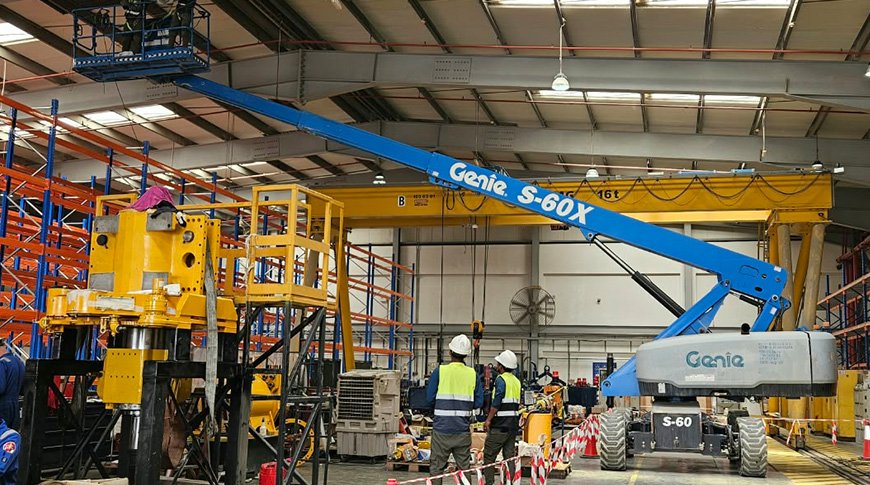
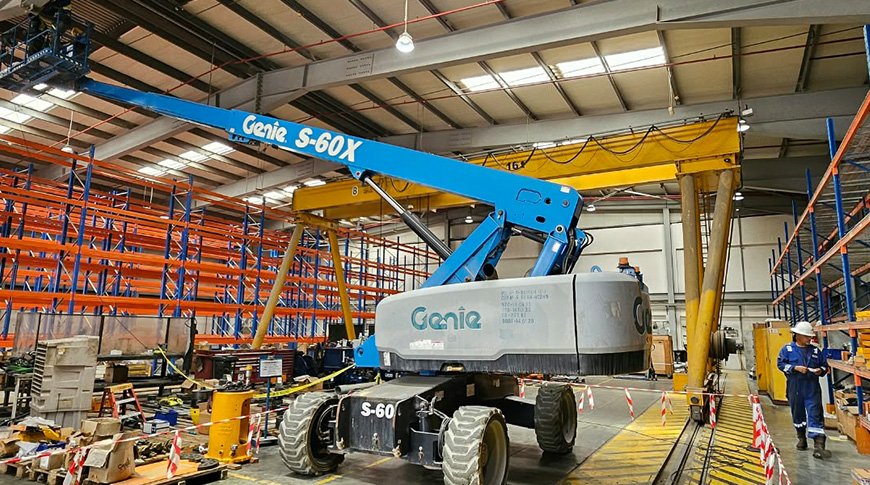
Our technicians used appropriate professional access equipment to reach the warehouse’s elevated structural sections and install the netting across the required zones.
The installation process included positioning and securing the bird netting around the existing overhead structures while maintaining consistent coverage across the protected area.
This type of project requires more than simply attaching netting to a roof.
Large industrial bird-netting installations require careful consideration of the building geometry, fixing locations, net tension, structural obstacles and accessibility.